
If you’re fascinated by the incredible diversity and sheer scale of the world’s wildlife, you’ll love discovering some of the largest animals on Earth. From enormous whales and elephants to towering giraffes and powerful crocodiles, these remarkable species play important roles in the ecosystems they call home.
But their size isn’t the only thing that makes them fascinating. Many of the world’s largest animals face serious threats from habitat loss, climate change, pollution, poaching and other human activities.
For anyone interested in environmental science, sustainability, conservation or animal welfare, learning about these species is also an opportunity to understand the challenges facing our planet and the work being done to protect it.

Exploring the World’s Largest Mammals, Birds and Reptiles
The natural world is home to animals of almost unimaginable proportions. The blue whale is the largest animal known to have ever lived, while the African elephant is the largest land animal. Elsewhere, the ostrich holds the title of the world’s largest bird and the saltwater crocodile is the largest living reptile.
These animals occupy very different habitats and play very different roles in their ecosystems. From the oceans and savannahs to forests and wetlands, protecting these species also means protecting the environments they depend on.
Let's take a closer look at 10 of the world's most impressive giants.
1. African Elephant: The Largest Land Animal
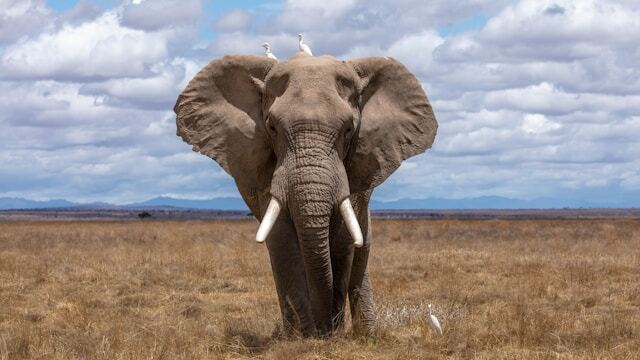
The African elephant is the largest land animal on Earth. These iconic animals are recognisable for their large ears, long trunks and, in many individuals, impressive tusks.
African elephants are herbivores and can consume large quantities of vegetation each day. They are also highly social animals, with family groups typically led by an experienced female.
Despite their size and strength, African elephants face significant conservation challenges. Habitat loss, human-wildlife conflict and poaching have all contributed to population declines in parts of their range.
Protecting elephants therefore involves much more than protecting individual animals. Conservation organisations also work to preserve habitats, support local communities and find ways for people and wildlife to coexist.
2. Blue Whale: The Largest Animal on Earth
The blue whale is the largest animal known to have ever lived. These enormous marine mammals can reach around 30 metres in length and are found in oceans around the world.
Despite their size, blue whales primarily feed on tiny organisms called krill. Their presence in marine ecosystems highlights the interconnected nature of ocean food webs.
Blue whales were heavily hunted during the commercial whaling era, causing populations to decline dramatically. While international protections have helped populations recover in some areas, they continue to face threats including ship strikes, entanglement, noise pollution and changes to ocean ecosystems.
Understanding and protecting marine environments is therefore essential to the future of these extraordinary animals.
3. Giraffe: The Tallest Land Animal
With their long necks and distinctive patterns, giraffes are among Africa's most recognisable animals. They are the tallest land animals in the world, with some individuals reaching around 5 metres in height.
Their height allows giraffes to feed on vegetation high above the ground, particularly in savannah and woodland habitats across sub-Saharan Africa.
However, giraffe populations have faced pressures from habitat loss, fragmentation and human activity. Conservation work focuses on protecting habitats, monitoring populations and supporting sustainable approaches to land use.
4. Saltwater Crocodile: The Largest Living Reptile
The saltwater crocodile is the largest living reptile. Found across parts of South and Southeast Asia and northern Australia, these powerful predators can grow to more than 6 metres in exceptional cases.
As apex predators, saltwater crocodiles play an important role in maintaining the balance of their ecosystems. Their conservation also demonstrates why protecting predators and their habitats is an important part of maintaining healthy ecosystems.
5. Ostrich: The World’s Largest Bird
The ostrich is the world's largest and heaviest living bird. Native to Africa, it can reach around 2.7 metres in height and is famous for its remarkable running ability.
Unlike many birds, ostriches cannot fly. Instead, their long legs allow them to reach impressive speeds and escape predators.
Ostriches are adapted to life in some of Africa's more challenging environments, demonstrating how species evolve specialised characteristics to survive in their habitats.
6. Polar Bear: The Largest Bear Species
Polar bears are the largest species of bear and are highly adapted to life in the Arctic. Their thick fur, layer of body fat and specialised paws help them survive in extremely cold conditions.
However, their dependence on sea ice makes them particularly vulnerable to climate change. As Arctic sea ice changes, polar bears can face increasing difficulty finding food and travelling between areas of suitable habitat.
Their conservation is therefore closely connected to the wider challenge of addressing climate change and protecting fragile Arctic ecosystems.
7. Asian Elephant: One of the World’s Largest Land Mammals
Asian elephants are slightly smaller than African elephants but remain among the largest animals on land. They can be found across parts of South and Southeast Asia, although their populations are increasingly fragmented.
Asian elephants face threats including habitat loss, human-wildlife conflict and illegal wildlife trade.
Conservation projects can involve habitat protection, wildlife monitoring and working with communities to reduce conflict between people and elephants.
8. Gaur: The World’s Largest Wild Cattle Species
The gaur, sometimes called the Indian bison, is the largest species of wild cattle. These powerful animals can weigh more than 1,000 kilograms and are found in parts of South and Southeast Asia.
Gaur typically live in forests and grasslands and play an important role in their ecosystems as large herbivores.
As with many large mammals, protecting their habitat is essential to maintaining healthy populations.
9. Hippopotamus: One of Africa’s Largest Land Mammals
Hippos are among Africa's largest mammals, with adults capable of weighing several tonnes. Despite spending much of their time in water, they are primarily terrestrial mammals that graze on land at night.
Hippos can have a significant influence on their environment. Their movement between aquatic and terrestrial habitats helps transfer nutrients through ecosystems.
However, habitat loss and human-wildlife conflict pose challenges for hippo populations in some areas.

Another Look at the Giants of the Natural World
The world's largest animals aren't simply impressive because of their size. They are part of complex ecosystems where every species plays a role.
From whales supporting marine food webs to elephants influencing vegetation and habitat structure, these animals demonstrate how interconnected the natural world is.
Their survival depends on protecting the habitats, ecosystems and communities that surround them.
Conservation Challenges Facing the World’s Largest Animals
Being large doesn't make an animal immune to environmental threats. In fact, many large species are particularly vulnerable because they need extensive habitats, large amounts of food and significant resources to survive.
Some of the biggest conservation challenges include:
- Habitat loss: Agriculture, urbanisation and infrastructure can reduce and fragment wildlife habitats.
- Climate change: Changing temperatures, rainfall patterns and sea levels can disrupt ecosystems and food supplies.
- Poaching and illegal wildlife trade: Species such as elephants continue to face pressure from illegal hunting.
- Pollution: Plastic, chemicals and other pollutants can damage ecosystems and threaten wildlife.
- Human-wildlife conflict: As human populations expand into wildlife habitats, encounters between people and animals can increase.
- Overexploitation: Fishing, hunting and other activities can disrupt food chains and threaten vulnerable species.
Addressing these challenges requires collaboration between scientists, conservation organizations, governments, local communities and businesses.
How Can You Help Protect Wildlife?
You don't have to be a wildlife scientist to contribute to conservation. Learning more about environmental challenges, supporting responsible organizations and developing a career in sustainability or conservation can all make a difference.
For students and recent graduates interested in building a career with environmental impact, an international internship can be a valuable way to gain practical experience while seeing conservation and sustainability work in an international context.
The Intern Group offers internship opportunities across a range of career fields, including Environmental Science & Sustainability, where you can develop professional skills while contributing to real-world projects.
An international experience can also help you develop transferable skills such as communication, teamwork, adaptability and cross-cultural collaboration, skills that are valuable across the growing sustainability and conservation sector.
Building a Career That Makes an Impact
The world's largest animals are a reminder of just how diverse and interconnected our planet is. Protecting them requires people with the knowledge, skills and determination to tackle complex environmental challenges.
Whether you're passionate about wildlife conservation, sustainability, environmental science or making a positive impact through your career, gaining practical international experience can help you take the next step.
.jpg?width=450&height=250&name=naja-bertolt-jensen-BJUoZu0mpt0-unsplash%20(1).jpg)